

Tripura
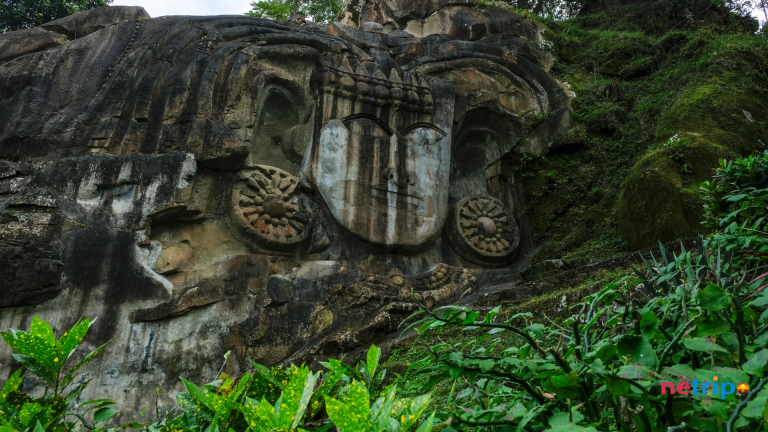
1 TourTripura, one of the smallest states in India, is a hidden gem in the northeastern region, offering a unique blend of history, culture, and natural beauty. With its ancient temples, royal palaces, lush green landscapes, and rich tribal heritage, Tripura is a destination that appeals to history buffs, nature lovers, and cultural enthusiasts alike. 1. Historical Significance and Royal Heritage Tripura has a rich historical and royal legacy that is evident in its many ancient temples and palaces. The Ujjayanta Palace in Agartala, the state capital, is one of the most iconic landmarks. Built by Maharaja Radha Kishore Manikya in the early 20th century, this grand palace is a fine example of Indo-Saracenic architecture, set amidst sprawling Mughal-style gardens. Today, it houses the Tripura State Museum, which showcases the state’s rich cultural heritage through a collection of artifacts, sculptures, and paintings. Another important historical site is the Neermahal, located in the middle of Rudrasagar Lake. Often referred to as the “Lake Palace of the East,” Neermahal was built as a summer retreat for the Manikya kings. The palace, which blends Hindu and Mughal architectural styles, offers a stunning view of the surrounding lake and is a popular spot for boating and sightseeing. 2. Ancient Temples and Spiritual Sites Tripura is home to several ancient temples that attract pilgrims and tourists alike. The Tripura Sundari Temple in Udaipur, also known as Matabari, is one of the 51 Shakti Peethas and is considered one of the holiest Hindu shrines in the region. Dedicated to Goddess Kali, this 500-year-old temple is a major pilgrimage site, especially during the Diwali festival when thousands of devotees gather to offer prayers. Another notable temple is the Bhuvaneswari Temple, located on the banks of the Gomati River. This temple, built during the reign of Maharaja Govinda Manikya, is known for its beautiful architecture and is immortalized in Rabindranath Tagore’s famous works “Rajarshi” and “Bisharjan.” 3. Natural Beauty and Ecotourism Tripura’s lush landscapes, hills, and rivers make it an ideal destination for nature lovers. The state is blessed with a variety of natural attractions, including scenic lakes, dense forests, and wildlife sanctuaries. The Sepahijala Wildlife Sanctuary, located about 25 km from Agartala, is a haven for wildlife enthusiasts. The sanctuary is home to over 150 species of birds, primates like the Phayre’s langur, and other animals. It also features a botanical garden, a lake, and an artificial zoo, making it a perfect spot for a day trip. The Dumboor Lake, located in the Amarpur subdivision, is another beautiful natural attraction. This large, picturesque lake is dotted with small islands and is surrounded by hills covered with dense greenery. The lake is a popular spot for boating, fishing, and birdwatching, offering a tranquil retreat from the hustle and bustle of city life. Jampui Hills, known as the “Permanent Seat of Spring,” is a picturesque hill station located in the northern part of the state. The hills are famous for their pleasant climate, lush green tea gardens, orange orchards, and breathtaking views of the surrounding valleys. The Orange and Tourism Festival, held annually in Jampui Hills, celebrates the region’s bountiful orange harvest and is a vibrant event showcasing local culture, crafts, and cuisine. 4. Rich Tribal Culture Tripura is home to a diverse range of indigenous tribes, each with its own unique culture, traditions, and festivals. The state’s tribal communities, such as the Tripuri, Reang, Jamatia, and Chakma, contribute to its rich cultural tapestry. Visitors can experience this cultural diversity by exploring tribal villages, participating in local festivals, and learning about traditional crafts and practices. One of the most important tribal festivals is the Garia Puja, celebrated in April, which is dedicated to the deity Garia, believed to bring prosperity and protection to the community. The festival features traditional music, dance, and rituals, providing a vibrant insight into the tribal way of life. 5. Handicrafts and Local Markets Tripura is renowned for its exquisite handicrafts, particularly its bamboo and cane products. The state’s artisans are skilled in creating a wide range of items, from furniture and baskets to decorative pieces and musical instruments. The traditional handwoven textiles, especially the Risa, Rikutu, and Rituku garments worn by the Tripuri women, are also popular among visitors. The local markets in Agartala and other towns offer a variety of these handicrafts, making them perfect souvenirs for travelers. The Purbasha Emporium in Agartala is a great place to shop for authentic Tripuri crafts and handloom products. 6. Culinary Delights Tripura’s cuisine is a delightful mix of flavors, influenced by its tribal heritage and the use of locally sourced ingredients. The food here is often simple, healthy, and less spicy compared to other Indian cuisines. Must-try dishes include Mui Borok (a traditional fish stew made with bamboo shoots), Wahan Mosdeng (pork with a spicy chili paste), and Muya Awandru (a bamboo shoot and rice flour curry). Rice is a staple in Tripura, and it is often paired with fish, meat, and vegetables. The state is also known for its rice beer, Chuak, which is traditionally brewed by the tribal communities and enjoyed during festivals and celebrations. 7. Connectivity and Accommodation Tripura is well-connected by air, with the Maharaja Bir Bikram Airport in Agartala being the main gateway to the state. The airport has regular flights to major Indian cities like Kolkata, Guwahati, and Delhi. The state is also accessible by road and rail from neighboring states like Assam. Tripura offers a range of accommodation options, from luxury hotels and resorts in Agartala to budget guesthouses and homestays in smaller towns and rural areas. These options ensure a comfortable stay for travelers of all types, whether they are seeking luxury or a more immersive, local experience. Conclusion Tripura, with its rich history, cultural diversity, and natural beauty, offers a unique and enriching travel experience. Whether you are drawn to its ancient temples and royal palaces, eager to explore its lush landscapes, or interested in immersing yourself in its vibrant tribal culture, Tripura is a destination

The Golden Triangle: India’s Iconic Tourist Circuit
1 TourThe Golden Triangle: India’s Iconic Tourist Circuit The Golden Triangle is one of India’s most popular and well-known tourist circuits, offering a fascinating glimpse into the country’s rich history, culture, and architecture. Comprising three major cities—Delhi, Agra, and Jaipur—this route forms a triangle on the map and connects some of the most iconic landmarks and historical sites in India. It’s a must-see journey for first-time visitors to the country, and even seasoned travelers find something new and awe-inspiring on this well-trodden path. Geography and Accessibility The Golden Triangle is located in the northern part of India, with each city easily accessible by road, rail, and air. The three cities are situated relatively close to each other, forming a triangle with a travel distance of around 250-300 kilometers between them. The circuit can be completed in 4-7 days, depending on how much time you want to spend exploring each city. It’s well-suited for travelers looking for a mix of history, culture, and architectural grandeur. Best Time to Visit The ideal time to visit the Golden Triangle is during the winter months, from October to March. The weather is cooler and more comfortable, making it perfect for sightseeing. The summer months (April to June) can be very hot, especially in Agra and Jaipur, with temperatures often crossing 40°C (104°F), while the monsoon season (July to September) may bring heavy rains, making outdoor activities less enjoyable. Key Attractions 1. Delhi: The Heart of India As the capital of India, Delhi is a bustling metropolis blending ancient history with modern life. From ancient monuments to modern shopping malls, Delhi offers a wide range of experiences. 2. Agra: Home of the Taj Mahal Agra, located on the banks of the Yamuna River, is the second city in the Golden Triangle and is most famous for the Taj Mahal, one of the Seven Wonders of the World. But beyond the Taj, Agra offers several other gems. 3. Jaipur: The Pink City of Rajasthan The final city in the Golden Triangle, Jaipur is known for its vibrant culture, majestic palaces, and sprawling forts. As the capital of Rajasthan, Jaipur reflects the opulence and royal history of the Rajput rulers. Activities and Experiences Travel Tips Conclusion The Golden Triangle is more than just a tourist route; it’s an experience that offers a deep dive into India’s rich history, culture, and architectural grandeur. From the bustling streets of Delhi to the timeless beauty of the Taj Mahal in Agra and the royal palaces of Jaipur, the Golden Triangle offers an unforgettable introduction to the diverse facets of India. Whether you’re a history lover, an architecture enthusiast, or simply seeking to immerse yourself in Indian culture, this iconic route has something to offer every traveler.

Tashkent: The Vibrant Capital of Uzbekistan
1 TourTashkent, the capital city of Uzbekistan, is an intriguing mix of modernity and history. As the largest city in Central Asia, Tashkent serves as the political, cultural, and economic heart of Uzbekistan. The city is a treasure trove of ancient history, Soviet-era architecture, and a growing modern skyline, making it a fascinating destination for those keen to explore the rich heritage and the evolving future of Central Asia. From bustling bazaars and historic mosques to wide avenues and lush green parks, Tashkent offers a unique blend of old and new, making it a perfect starting point for a journey through Uzbekistan. Key Attractions in Tashkent 1. Khast Imam Complex One of Tashkent’s most important religious and historical landmarks, the Khast Imam Complex is a must-see for anyone interested in Uzbekistan’s rich Islamic heritage. The complex houses several beautiful buildings, including the Barak-Khan Madrasah, Tillya Sheikh Mosque, and the Kukeldash Madrasah. The most notable attraction here is the Uthman Qur’an, the world’s oldest surviving copy of the Quran, which is said to have been used by Caliph Uthman in the 7th century. 2. Registan Square While the Registan Square is more famous in Samarkand, the name “Registan” refers to a public square or marketplace in Persian, and Tashkent has its own version of an important public space. Amir Timur Square, named after the famed ruler Tamerlane (Amir Timur), is a key landmark. The square features statues of Amir Timur and grand fountains, offering a picturesque setting for photos and walks. 3. Amir Timur Museum Dedicated to the life and conquests of Amir Timur (Tamerlane), the Amir Timur Museum offers insight into the historical significance of this great conqueror who played a key role in shaping the history of Central Asia. The museum houses various relics, coins, and portraits related to the empire Timur established in the 14th century. 4. Chorsu Bazaar For an authentic experience of Uzbek culture, Chorsu Bazaar is the place to be. One of the oldest and most bustling markets in Tashkent, this vast market under a traditional domed roof is a sensory overload of sights, sounds, and smells. Vendors sell everything from spices, herbs, and dried fruits to fresh produce, textiles, and traditional handicrafts. Chorsu Bazaar provides a great opportunity to experience local life, taste traditional foods like samsa (meat-filled pastries) or plov (Uzbek rice dish), and pick up unique souvenirs. 5. Independence Square (Mustakillik Square) A symbol of Uzbekistan’s independence, Independence Square is the central square of Tashkent, beautifully designed with fountains, statues, and green spaces. The square is home to the Monument of Independence and the Independence and Humanism Monument, both of which commemorate the country’s independence from the Soviet Union in 1991. 6. Tashkent Metro The Tashkent Metro is a unique experience for visitors. Opened in 1977, it is one of the most beautiful metro systems in the world, with stations decorated in elaborate Soviet-style mosaics, chandeliers, and marble. The stations themselves are architectural masterpieces, each reflecting different themes and historical periods. It’s a great way to get around the city while also enjoying its unique artistic elements. 7. Navoi Theater Tashkent’s Navoi Theater is one of the city’s premier cultural institutions, hosting opera, ballet, and classical music performances. Named after the famous 15th-century poet Alisher Navoi, the theater is an architectural gem with its ornate interior and grand stage. 8. Bunyodkor Stadium For sports enthusiasts, Bunyodkor Stadium is the main venue for football (soccer) matches in Tashkent. It is home to the Bunyodkor Football Club and hosts international matches as well as local sporting events. The stadium is an impressive structure and offers a lively atmosphere during matches. 9. Museum of Applied Arts If you’re interested in traditional crafts and artistry, the Museum of Applied Arts is a hidden gem in Tashkent. Housed in a beautiful building, the museum showcases a vast collection of textiles, ceramics, jewelry, carpets, and miniatures that highlight the rich artistic traditions of Uzbekistan. Day Trips from Tashkent While Tashkent offers a wealth of attractions, its location also makes it an excellent base for exploring other regions of Uzbekistan. 1. Samarkand A UNESCO World Heritage site and one of the most important cities along the ancient Silk Road, Samarkand is just a 2.5-hour train ride from Tashkent. Known for its Registan Square, Shah-i-Zinda, and the Gur-e-Amir Mausoleum, Samarkand is a must-visit for history buffs. 2. Bukhara Another Silk Road city, Bukhara is famous for its medieval architecture, including the Ark Fortress, Kalyan Minaret, and Bolo Haouz Mosque. It is a well-preserved city that gives visitors a glimpse into the past with its labyrinthine streets, caravanserais, and historical buildings. 3. Chimgan Mountains For those seeking a nature escape, the Chimgan Mountains are just a short drive from Tashkent. A popular destination for hiking, skiing, and mountain biking, Chimgan offers breathtaking views and fresh mountain air, making it a great spot for outdoor adventures. Uzbek Cuisine: A Taste of Tashkent Tashkent is a fantastic place to indulge in Uzbek cuisine, which is known for its rich flavors and hearty ingredients. Some must-try dishes include: Best Time to Visit Tashkent The best time to visit Tashkent is during the spring (April to June) and autumn (September to November), when the weather is mild and pleasant. Summer (June to August) can be quite hot, with temperatures soaring above 40°C (104°F), while winter (December to February) can be cold, especially in the evenings, though snowfall is rare. Conclusion Tashkent is a city that bridges the ancient and the modern. With its rich history, unique culture, and growing contemporary scene, Tashkent offers a compelling experience for all types of travelers. Whether you’re exploring ancient monuments, sampling delicious food, or simply strolling through its leafy boulevards, Tashkent is sure to leave you with unforgettable memories of Uzbekistan’s fascinating heritage and vibrant present.
Tamil Nadu: A Land of Culture, History, and Natural Beauty
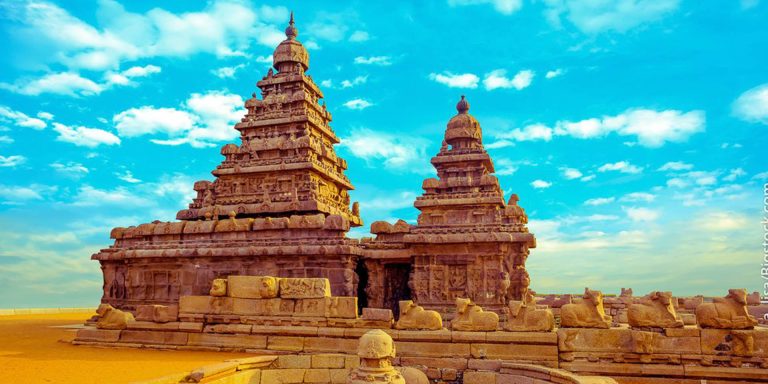
3 ToursTamil Nadu: A Land of Culture, History, and Natural Beauty Tamil Nadu, located in the southernmost part of India, is a state that offers a captivating blend of ancient traditions, magnificent temples, vibrant culture, and stunning landscapes. Known for its rich history, classical music, dance, and delicious cuisine, Tamil Nadu is one of the top travel destinations in India. From its temple towns and hill stations to serene beaches and wildlife sanctuaries, Tamil Nadu promises a diverse and fulfilling travel experience. Geography and Accessibility Tamil Nadu is bordered by Kerala to the west, Karnataka and Andhra Pradesh to the north, and the Bay of Bengal to the east. Its geographical diversity encompasses everything from fertile plains and dense forests to beautiful beaches and the Western Ghats mountain range. How to Reach: Best Time to Visit The best time to visit Tamil Nadu is during the winter months (from November to February), when the weather is cooler and more comfortable for sightseeing. The summer months (March to June) can be quite hot, particularly in inland areas like Chennai and Madurai, with temperatures often reaching over 40°C (104°F). The monsoon season (June to September) brings rains, which are especially prominent in the coastal and hilly regions. Key Attractions in Tamil Nadu 1. Chennai: The Gateway to Tamil Nadu The capital city of Tamil Nadu, Chennai (formerly Madras), is a bustling metropolis that seamlessly blends tradition with modernity. 2. Madurai: The Temple City Madurai is one of Tamil Nadu’s oldest cities and is famous for its Meenakshi Amman Temple, an architectural marvel and a significant pilgrimage site. 3. Kanyakumari: The Southernmost Tip Located at the southernmost tip of India, where the Bay of Bengal, Arabian Sea, and Indian Ocean meet, Kanyakumari is a place of immense natural beauty and religious significance. 4. Thanjavur: The Cultural Heart of Tamil Nadu Thanjavur is a city steeped in history and is known for its majestic temples and classical art forms. 5. Coimbatore: The Manchester of South India Known as the “Manchester of South India” due to its textile industry, Coimbatore is an important industrial hub, as well as a gateway to the hills and temples of Tamil Nadu. 6. Ooty: The Queen of Hill Stations Nestled in the Nilgiri Hills, Ooty (also known as Udhagamandalam) is one of the most popular hill stations in India, renowned for its cool climate, lush greenery, and tea plantations. It is part of the Nilgiri Biosphere Reserve, a UNESCO World Heritage Site. 7. Coonoor: A Tranquil Escape Just 20 kilometers from Ooty, Coonoor is another charming hill station, known for its peaceful ambiance and scenic beauty. Activities and Experiences Conclusion Tamil Nadu offers an incredible mix of history, culture, spirituality, and natural beauty, making it one of India’s most diverse and vibrant tourist destinations. Whether you’re exploring ancient temples, relaxing in serene hill stations like Ooty, savoring the flavors of local cuisine, or experiencing the state’s unique cultural traditions, Tamil Nadu promises a rich and immersive travel experience. Ooty, with its cool climate, scenic landscapes, and colonial-era charm, is one of the standout hill stations, perfect for nature lovers and anyone seeking respite from the heat of the plains. Together with Tamil Nadu’s diverse offerings, Ooty is a gem that highlights the state’s natural beauty.

Sri Lanka: A Jewel in the Indian Ocean
2 ToursSri Lanka: A Jewel in the Indian Ocean Sri Lanka, a small island nation located off the southeastern coast of India, is often referred to as the “Pearl of the Indian Ocean.” With its diverse landscapes, rich cultural heritage, ancient history, and welcoming locals, Sri Lanka is a captivating destination for all types of travelers. Whether you’re a history enthusiast, an adventure seeker, a beach lover, or a nature aficionado, Sri Lanka offers something for everyone. From the cultural heartland with its UNESCO World Heritage sites to the pristine beaches along its coastline, Sri Lanka is a paradise waiting to be explored. Top Attractions in Sri Lanka 1. Colombo: The Bustling Capital Sri Lanka’s vibrant capital, Colombo, is the island’s commercial and cultural hub. It offers a mix of colonial architecture, modern skyscrapers, and vibrant markets. 2. Kandy: The Cultural Capital The ancient city of Kandy is Sri Lanka’s cultural heart and home to the world-famous Temple of the Tooth (Sri Dalada Maligawa), a sacred Buddhist site that houses a relic of the Buddha’s tooth. Kandy, located in the hill country, is surrounded by lush greenery, serene lakes, and misty mountains, making it an ideal place to relax and explore Sri Lanka’s rich cultural traditions. 3. Sigiriya: The Lion’s Rock One of Sri Lanka’s most iconic landmarks, Sigiriya is an ancient rock fortress that rises dramatically from the jungle. Known as the Lion’s Rock, Sigiriya was once a royal palace and is now a UNESCO World Heritage site. Visitors can climb the 1,200 steps to the summit for breathtaking views of the surrounding area and explore the ruins of the ancient fortress, frescoes, and water gardens at the base. 4. Anuradhapura: Ancient Ruins and Sacred Sites As one of the ancient capitals of Sri Lanka, Anuradhapura is a UNESCO World Heritage site, known for its well-preserved ruins of ancient temples, palaces, and monuments. It’s a key destination for history enthusiasts and those interested in Buddhist heritage. 5. Galle: The Historic Coastal Town The coastal town of Galle, located on the southwestern tip of the island, is known for its well-preserved colonial architecture and old-world charm. The Galle Fort, a UNESCO World Heritage site, is one of the best-preserved colonial forts in Asia and is home to charming cobblestone streets, boutiques, art galleries, and cafes. 6. Nuwara Eliya: The Little England In the heart of Sri Lanka’s hill country, Nuwara Eliya offers a cool, temperate climate, making it a popular escape from the heat of the coastal areas. Known as “Little England” due to its colonial-era architecture and British influences, it is surrounded by lush green tea plantations, waterfalls, and beautiful valleys. 7. Yala National Park: Wildlife and Safari For wildlife enthusiasts, Yala National Park is a must-visit. Located on the southeastern coast of Sri Lanka, Yala is the island’s most famous national park and is known for its population of wild leopards. It also offers opportunities to see elephants, crocodiles, deer, and an abundance of bird species. 8. Mirissa: Beaches and Whale Watching Located on the southern coast of Sri Lanka, Mirissa is a small but beautiful beach town known for its golden sandy beaches, palm trees, and relaxed atmosphere. It’s also a great spot for whale watching, particularly from November to April, when you can spot blue whales, sperm whales, and dolphins. 9. Ella: Scenic Views and Adventure Ella is a charming hill town surrounded by verdant tea plantations, waterfalls, and dramatic mountain scenery. Known for its hiking trails and natural beauty, it’s a favorite spot for trekkers and nature lovers. Sri Lankan Cuisine Sri Lankan food is a vibrant blend of spices, herbs, and fresh ingredients. Some must-try dishes include: Best Time to Visit Sri Lanka The best time to visit Sri Lanka depends on the region you plan to visit. The west and south coasts, as well as the Cultural Triangle, are best visited from December to April, when the weather is dry and sunny. The hill country is a year-round destination, but it’s particularly pleasant from January to March. The east coast experiences the best weather from May to September. Conclusion Sri Lanka is a land of remarkable contrasts. From its ancient temples and palaces to its pristine beaches and dense jungles, this island offers a diverse and unforgettable travel experience. Whether you’re immersing yourself in the island’s history, exploring its natural beauty, or enjoying its coastal paradise, Sri Lanka is a place where every traveler can find their own slice of paradise.

Singapore & Malaysia: A Journey Through Southeast Asia’s Rich Diversity
2 ToursSingapore & Malaysia: A Journey Through Southeast Asia’s Rich Diversity Singapore and Malaysia, two neighboring countries in Southeast Asia, offer an incredible variety of experiences, from cutting-edge urban landscapes to lush tropical rainforests, historic sites, vibrant cultures, and tantalizing food. While Singapore is a sleek, modern city-state known for its cleanliness and futuristic architecture, Malaysia is a diverse country rich in history, nature, and culture, offering a variety of destinations for every type of traveler. Together, these two destinations make for an exciting and rewarding Southeast Asian holiday. Singapore: The Lion City of Modern Wonders Singapore is one of the world’s most efficient, well-planned, and cosmopolitan cities. With its towering skyline, green spaces, luxury shopping malls, and diverse food culture, Singapore is a global city that seamlessly blends modernity with heritage. Key Attractions in Singapore Best Time to Visit Singapore Singapore has a tropical climate, and it is warm and humid year-round with occasional rain. The best time to visit is from February to April, when the weather is slightly cooler and less humid. However, Singapore is a year-round destination with a well-developed indoor infrastructure to deal with rain showers. Malaysia: A Tapestry of Cultures, Nature, and Adventure Malaysia is a diverse country known for its beautiful beaches, tropical rainforests, bustling cities, and a rich cultural heritage. It’s a place where ancient traditions and modern luxury coexist, and a trip through Malaysia can take you from vibrant cities like Kuala Lumpur to UNESCO World Heritage sites like George Town in Penang, the idyllic islands of Langkawi, and the nature-filled highlands of Cameron Highlands. Key Attractions in Malaysia Best Time to Visit Malaysia The best time to visit Malaysia is generally during the dry season, which runs from March to October. However, the weather can vary greatly depending on the

Save Money
Get special rates found nowhere else ipsum pellentesque habitant

Get Help
You drive to adventures, we get it. We and our roadside assistance partners

Stay Safe
We ensure the safety and security of all our customers

Views of the Grand Canyon

A Lifetime of Hope and Regret

Adelaide to Alice Springs Overland
